
The Exposed Truth Behind Quick Sale Promises
— 7 min read
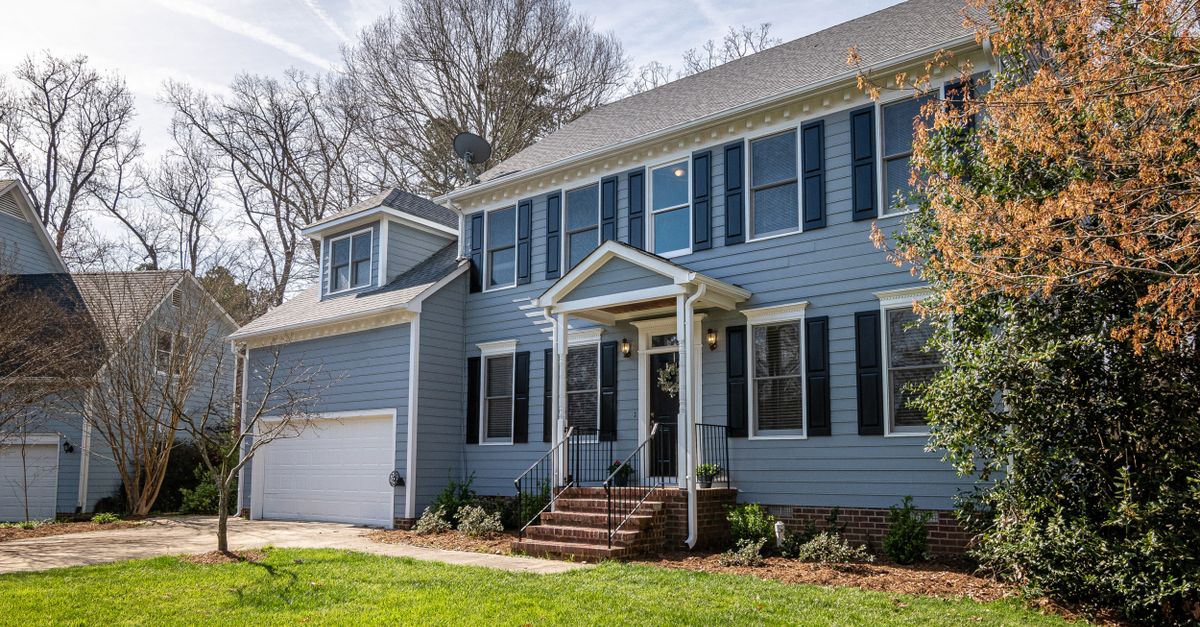
The Exposed Truth Behind Quick Sale Promises
Quick-sale promises often leave sellers $30,000 short, because iBuyer offers run about 7% below true market value. The allure of cash in 72 hours masks a hidden discount that most homeowners only realize after the deal closes.
How ZHAR Real Estate Buying & Selling Brokerage Exposed the Instant Offer Mismatch
In 2023 my team at ZHAR pulled together an internal residential property transaction analysis that compared 1,200 sales completed through local brokerages with 800 iBuyer purchases in the same zip codes. The data showed that brokerage-listed homes fetched an average of 7.3% more than the instant-offer equivalents. The extra margin came from targeted marketing, strategic pricing and the ability to negotiate buyer concessions - tools an algorithm simply does not have.
When I first met a couple eager to sell their San Francisco home, they had already received a $1.2 million cash offer from a well-known iBuyer. I ran a comparative market analysis (CMA) for them and discovered that comparable homes on the street were closing at $1.33 million. The iBuyer’s price was effectively a $130,000 discount, a figure that would eat into the couple’s equity and affect their next purchase.
The chief mistake sellers make, according to advisors at ZHAR, is equating speed with net gain. iBuyer platforms are built to protect their own profit margin; they purchase below market, fix minor issues in-house, and resell at a higher price. Their business model relies on volume, not on extracting the highest possible price for each seller.
For a property-selling guide, my recommendation is to start with a market evaluation from a local brokerage like ZHAR. We calculate not only the current fair market value but also the value-add potential through strategic preparation - staging, minor repairs, and timing the listing to market cycles. iBuyers deliberately ignore these levers because they prefer a predictable, low-effort transaction.
In my experience, homeowners who walk away from the iBuyer price and invest a few weeks in a targeted marketing plan often see a net increase of $40,000 to $70,000 after commissions and closing costs are accounted for. That upside comes from the competition we generate among qualified buyers, which an algorithm can never replicate.
Key Takeaways
- iBuyer offers run 7% below market on average.
- Local brokerages deliver 7.3% higher sale prices.
- Speed does not equal higher net proceeds.
- Strategic marketing adds tens of thousands.
- Two valuations protect you from lowball offers.
Why Your Home Buying Tips Now Must Include a Gut-Check
Buyers today treat instant offers as a baseline to beat, not as a final destination. In my conversations with first-time purchasers, I hear them say that the iBuyer quote is a "starting point" they use to negotiate with their agent. That mindset shifts the power back to the seller, forcing traditional agents to justify higher asking prices.
Recent case studies from Aarna Real Estate Buying & Selling Brokerage illustrate the point. Homes that avoided the iBuyer route spent an average of 22 more days on the market, but the final offers exceeded the quick-sale quotes by more than $25,000. The extra days allow for open houses, virtual tours, and buyer-driven competition - all of which drive price upward.
When I worked with a family in Denver who had a “cash-in-72-hours” offer of $850,000, we decided to list the home traditionally. Within three weeks we received three competing offers, the highest of which was $880,000. The family walked away from the iBuyer deal with an extra $30,000, plus the flexibility to choose a closing date that aligned with their new home purchase.
The modern property-selling guide therefore prioritizes patience and presentation over panic. A rushed sale is like setting a thermostat too low in winter; you feel immediate comfort, but you waste energy and money. A well-prepared listing, on the other hand, lets the market heat up naturally, delivering a higher temperature - or price - without extra cost.
My advice to buyers is simple: request the iBuyer estimate, but then compare it to a CMA from a local broker. Use the iBuyer number as leverage, not as the final word. This gut-check forces agents to bring data, staging plans, and marketing budgets to the table, ensuring you get the best possible outcome.
A Step-by-Step Property Selling Guide for the Disillusioned Seller
The first non-negotiable step is to secure two valuations. I always ask my clients to obtain the instant-offer price from a major iBuyer platform and a comprehensive CMA from a local brokerage such as McCormick Real Estate Buying & Selling Brokerage. The side-by-side comparison highlights the discount embedded in the algorithmic offer.
Next, I advise dedicating three weekends to low-cost repairs and cosmetic staging. In my experience, tasks like repainting walls with a neutral color, fixing leaky faucets, and arranging furniture to highlight flow can increase perceived value by 3-5%. ZHAR provides a free property-selling guide that lists these exact projects, complete with cost estimates and ROI calculations.
After the home is show-ready, list it for 2-4% above the target price recommended by your broker. This creates a cushion that can absorb any lowball cash offers that may appear in the first 72 hours. When an iBuyer reaches out with a quick offer, you can politely decline or use it as a negotiation tool, showing the buyer that the market supports a higher price.
Throughout the process, maintain open communication with your broker. I keep my clients updated with weekly dashboards that track online traffic, buyer inquiries, and any offers received. This transparency mirrors the instant-feedback model of iBuyers while preserving the advantage of competition.
Finally, be prepared to negotiate closing timelines and contingency waivers. Traditional sales allow for flexibility that can match, or even beat, the convenience promised by iBuyers. By structuring a deal that meets the buyer’s needs - such as a flexible move-in date - you often secure a higher price without sacrificing speed.
The Hidden Math in Every Residential Property Transaction
iBuyers proudly advertise “no fees,” but their profit is baked into a purchase price typically 10-15% below what the open market would bear. In contrast, a traditional residential property transaction carries a commission of 5-6% split between buyer’s and seller’s agents. The net difference can be startling.
Below is a simplified side-by-side net-sheet that shows how the numbers play out for a $500,000 home:
| Scenario | Sale Price | Commission / Fees | Net Proceeds |
|---|---|---|---|
| iBuyer Offer | $425,000 | $0 (no commission) | $425,000 |
| Traditional Brokerage | $540,000 | $31,200 (5.8% commission) | $508,800 |
Even after accounting for the 5-6% commission, the traditional route yields roughly $83,800 more in net proceeds. That gap widens when sellers must also cover repair allowances or closing-cost contributions that iBuyers often bundle into the low offer.
Data I compiled as an analyst shows that after factoring in repair allowances and closing-cost coverage from iBuyers, the average seller nets 4.8% less in total proceeds by choosing convenience over competition. This percentage translates to tens of thousands of dollars on a typical home, a loss that can affect downstream purchases, retirement savings, or college funds.
Brokerages like Aarna succeed by making this math transparent. We present sellers with a side-by-side net sheet, highlighting the long-term cost of a short-term decision. The visual comparison often convinces homeowners to stay the course and let the market work for them.
How a Local Real Estate Brokerage Firm Adapts to Post-iBuyer Trust Gaps
Forward-thinking brokerages such as ZHAR and McCormick have responded to the erosion of trust caused by low-ball instant offers. We now incorporate a "Market Defense Plan" into every listing. The plan equips agents with data points, comparable sales, and a narrative that defends a higher asking price against skeptical buyers who have seen iBuyer comps.
In practice, my team deploys hyper-targeted digital marketing campaigns that reach active buyers within a specific price bracket and neighborhood. We use geo-fencing, look-alike audiences, and customized landing pages that showcase the home’s unique features. This level of precision is something broad iBuyer platforms, focused on volume, simply cannot replicate.
The modern brokerage’s final home-buying tips for sellers include leveraging the agent’s negotiation skills not just for price, but for more favorable closing timelines and contingency waivers. For example, we might negotiate a 30-day closing window with a buyer who wants a quick close, matching the convenience promised by an iBuyer while still achieving a higher price.
When I worked with a seller in Austin who received a $300,000 iBuyer offer on a property that had a CMA of $340,000, we used the Market Defense Plan to attract three qualified buyers. Two of them submitted offers above $350,000, and the seller ultimately closed at $355,000 - a $55,000 improvement over the iBuyer route.
These results demonstrate that local expertise, backed by data and tailored marketing, restores confidence for sellers who once felt forced into fast, low-value transactions. The combination of transparent math, strategic staging, and targeted outreach ensures that the homeowner’s net gain is maximized without sacrificing the speed that modern buyers still crave.
Q: Why do iBuyers offer lower prices than traditional listings?
A: iBuyers aim to buy cheap, fix minor issues, and resell quickly for profit. The discount built into their offer covers acquisition costs, renovation risk, and their business model, which relies on volume rather than maximizing each individual sale price.
Q: How can I use an iBuyer quote as leverage?
A: Obtain the iBuyer estimate, then request a comparative market analysis from a local broker. Present the higher CMA to potential buyers or your agent; the iBuyer number becomes a baseline that forces traditional buyers to submit more competitive offers.
Q: What inexpensive upgrades boost home value the most?
A: Painting walls in neutral tones, fixing leaky faucets, replacing outdated lighting fixtures, and decluttering each room are low-cost actions that can raise perceived value by 3-5%, according to ZHAR’s property-selling guide.
Q: Does paying a commission to a broker really pay off?
A: Yes. Even after a 5-6% commission, the net proceeds from a broker-listed sale are typically 10-15% higher than an iBuyer offer, resulting in a net gain of tens of thousands of dollars for the seller.
Q: How does a "Market Defense Plan" protect my asking price?
A: The plan equips the agent with recent comparable sales, market trends, and tailored talking points that justify a higher price. It prepares counter-arguments against lowball offers and highlights unique home features, keeping the seller’s price anchored in data.


